
From Sap to Syrup.
Nothing Hidden.
Walk the frozen tree line at dawn. Watch sap drip into galvanized buckets. Stand close enough to the evaporator to taste the steam.
Five Stages.
Every step visible.
Most syrup makers keep production behind closed doors. We built ours so you can stand inside it. Click any stage to open the full panel.
Tapping
Late February — When nights freeze and days thaw
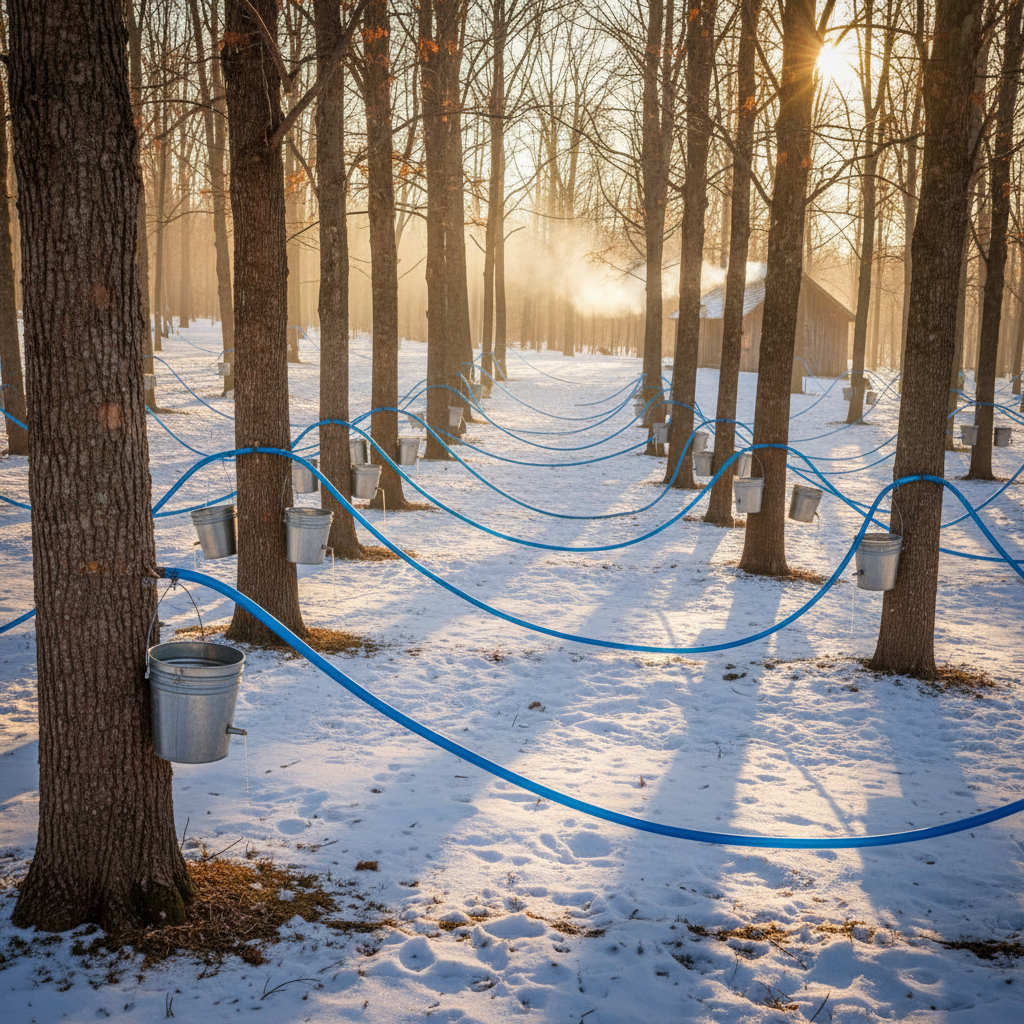
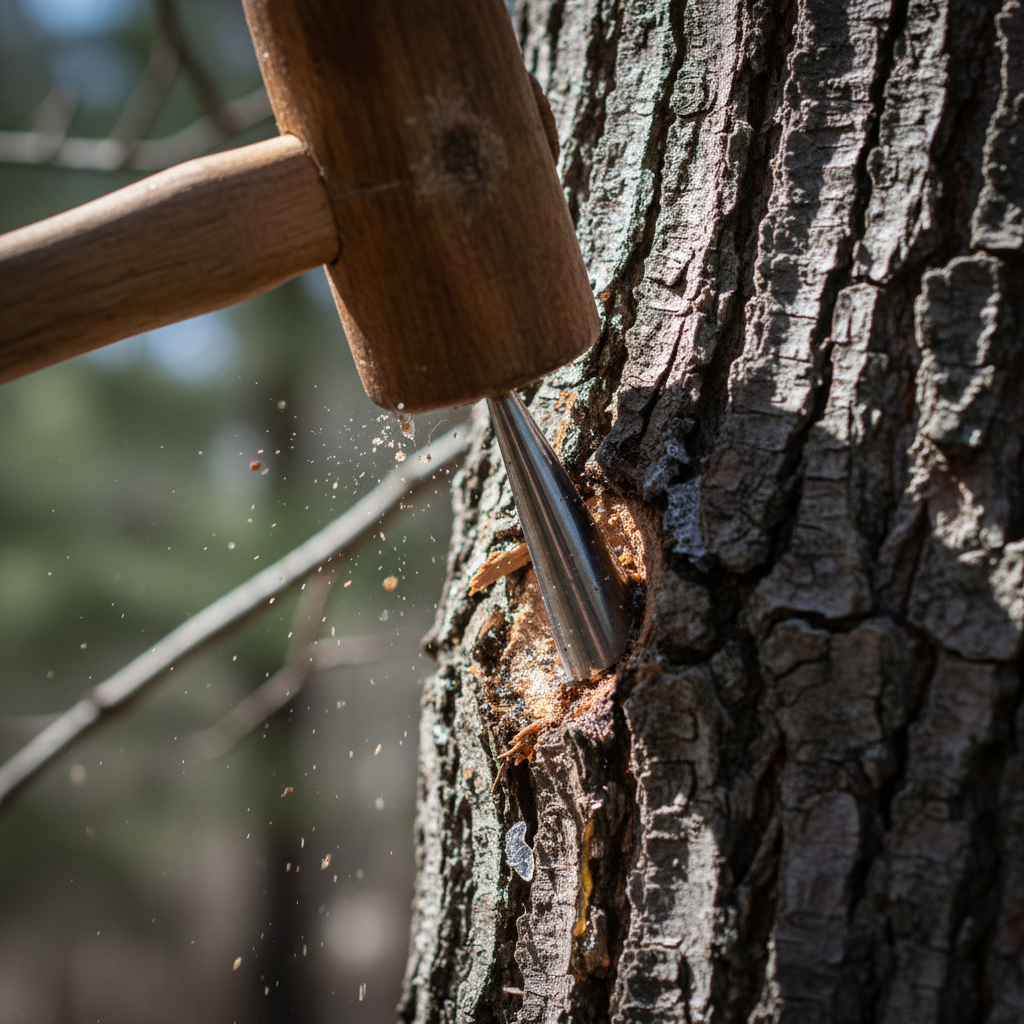
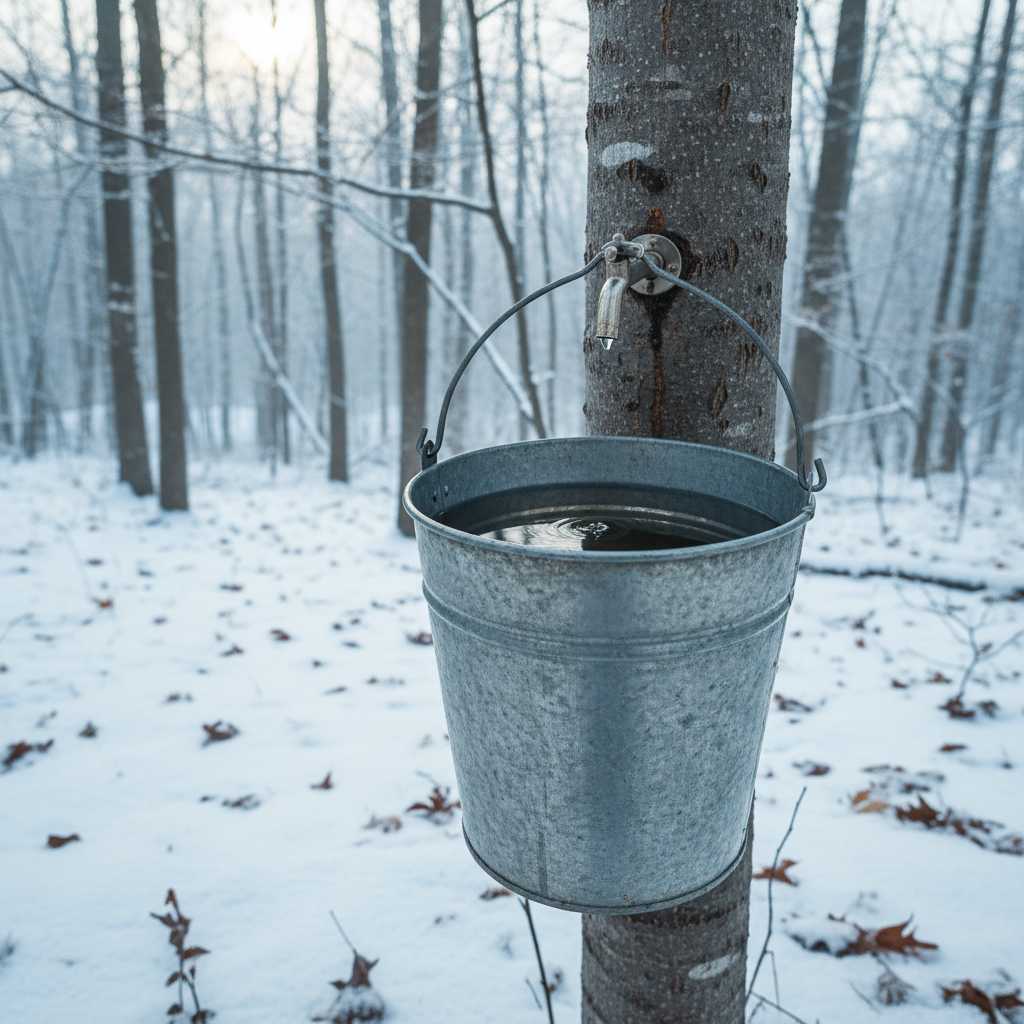
Every tap is a decision. We drill at a slight upward angle — exactly 5/8 of an inch — into sugar maples that have been resting since October. A good tree gives 10–20 gallons of sap over a season. We never tap a trunk under 10 inches across.
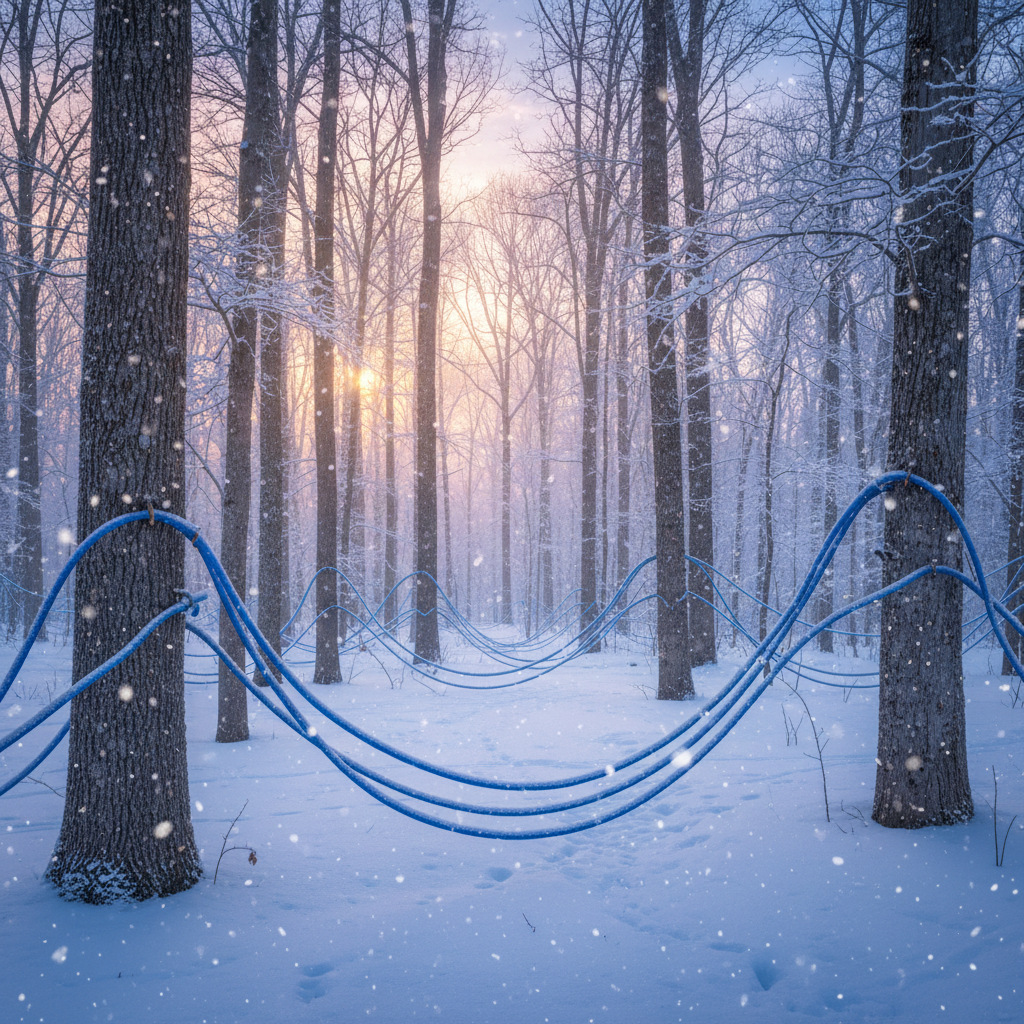
Our 340-acre sugarbush has 2,400 taps across a hillside that faces southeast. That orientation matters: the morning sun warms the bark, starts sap moving, then the cold night refreezes it. That pressure differential is what drives the flow.
Close-up shots
Collecting
Daily runs — Before 10 a.m., before warmth turns sap
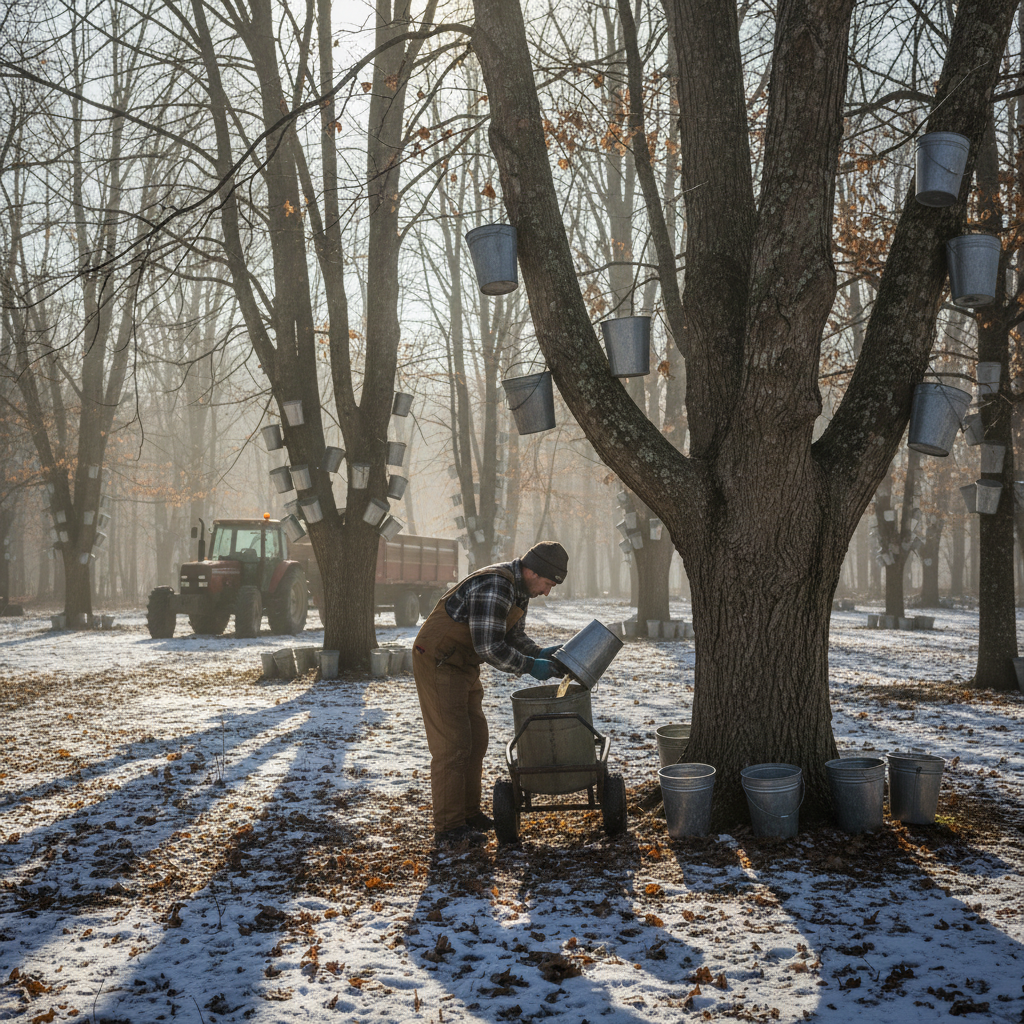
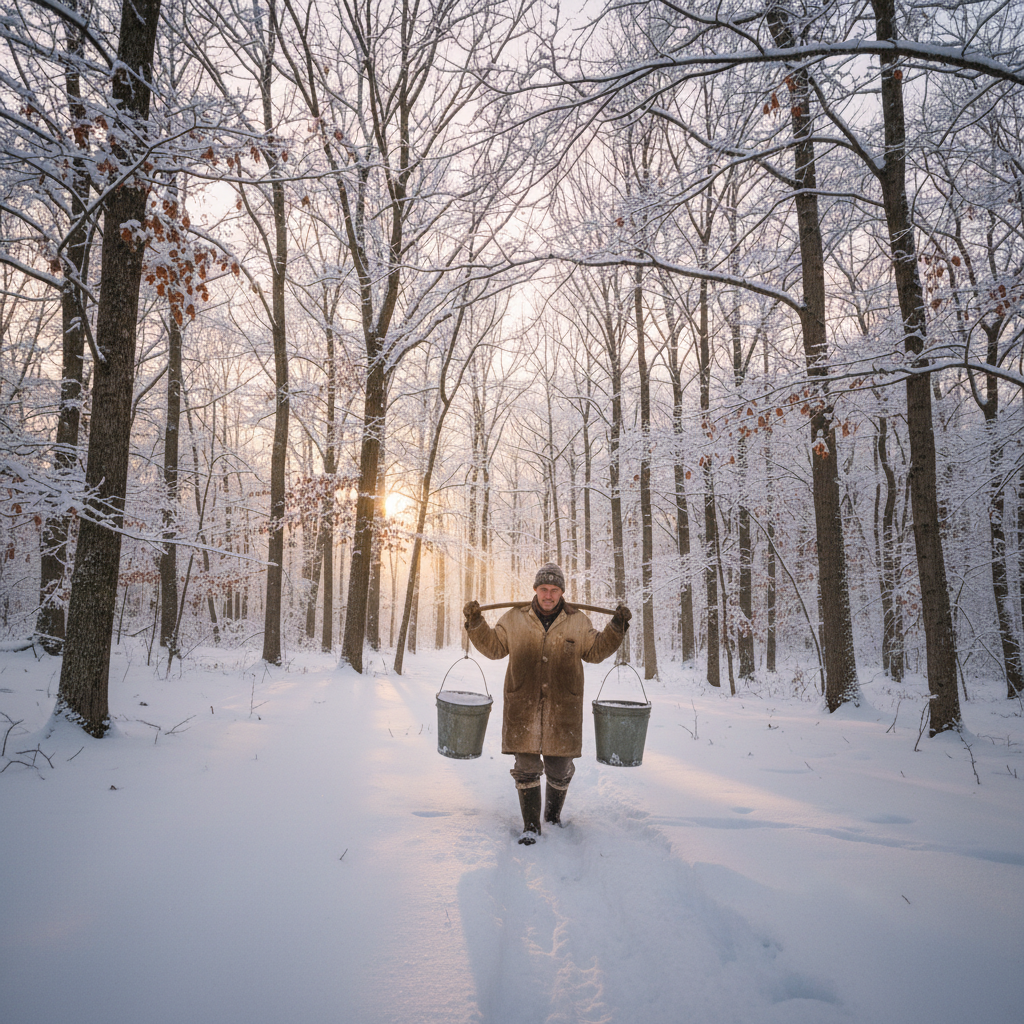
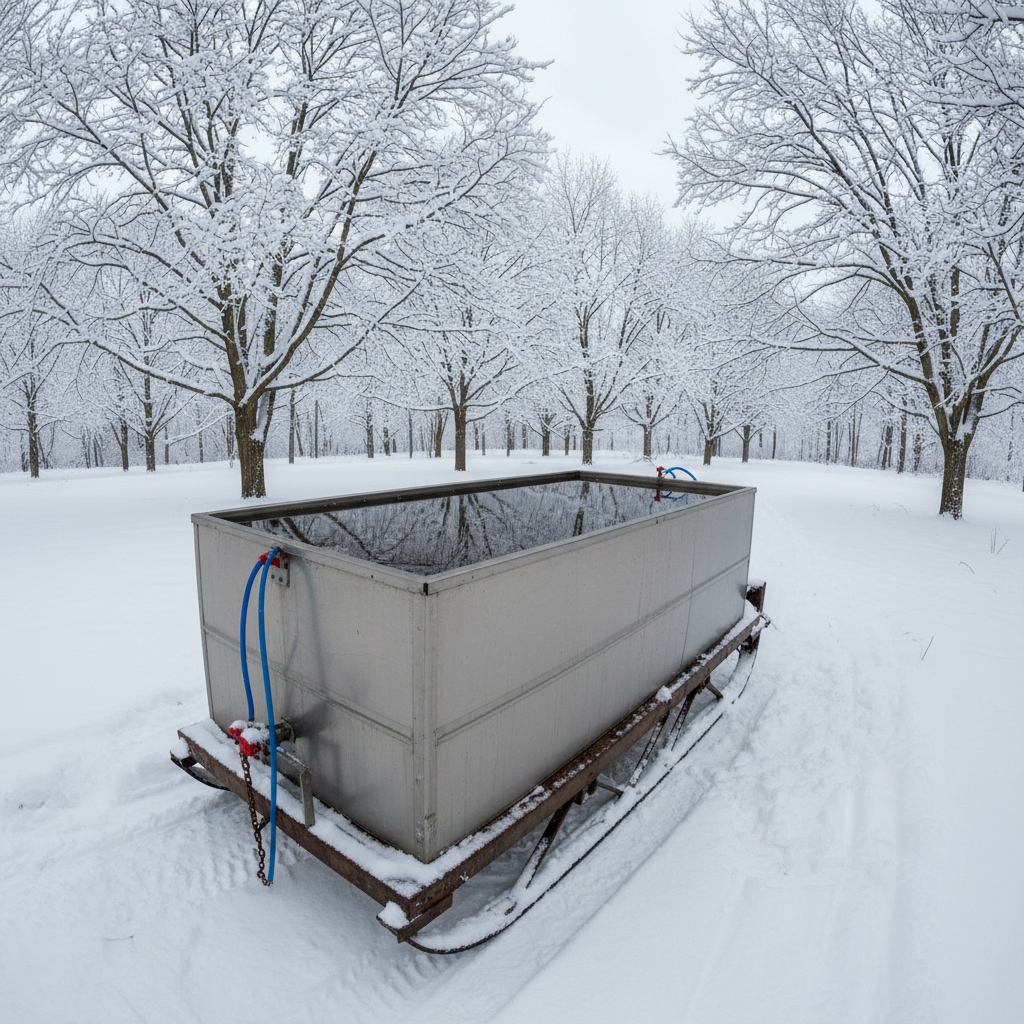
Fresh sap is barely sweet — about 2% sugar, almost indistinguishable from cold spring water. It spoils like milk. We collect every morning during the run, transferring from buckets into a 1,000-gallon stainless tank on the sled behind the tractor.
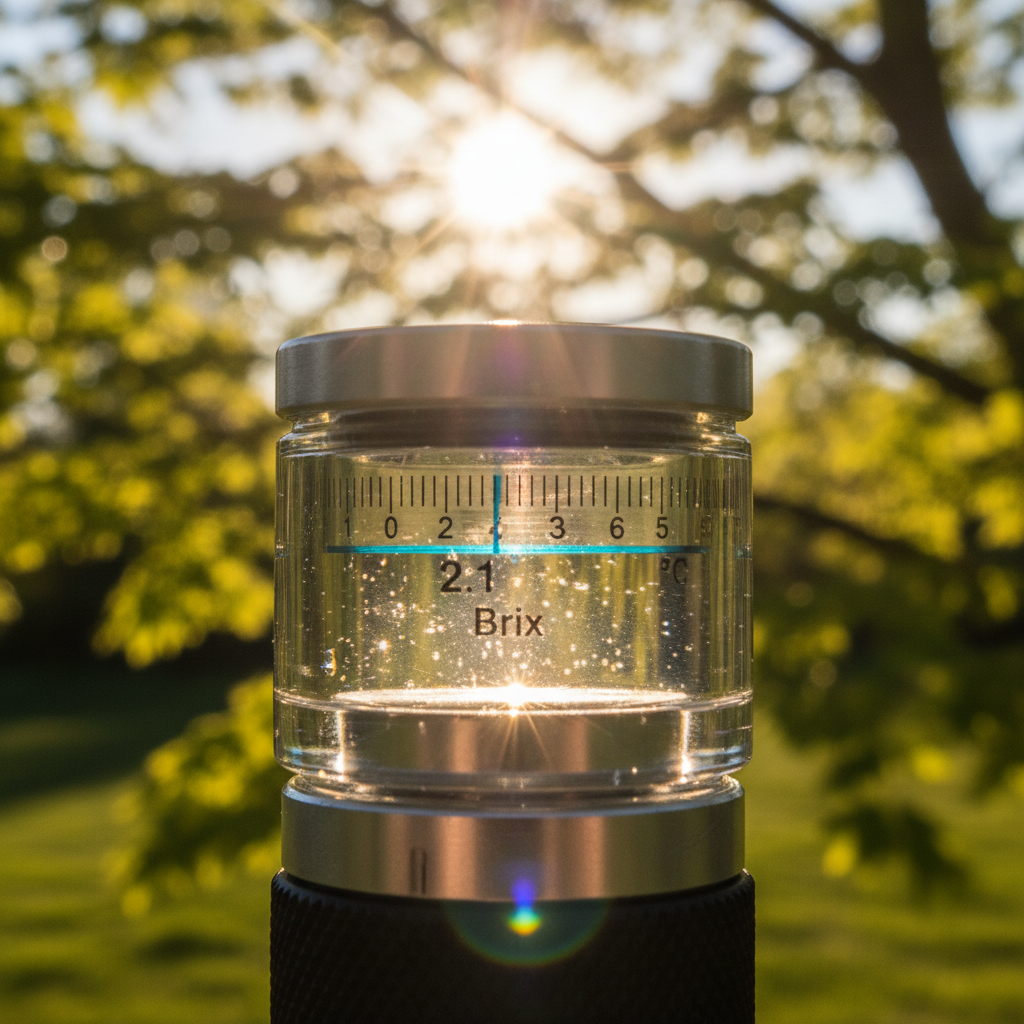
The brix refractometer tells us exactly where we are. A reading of 1.8–2.2° Brix is ideal for early-season runs. Once it climbs past 2.5° and starts tasting faintly "buddy" — that green, slightly fermented edge — we know the season is ending.
Close-up shots
Boiling
The sugarhouse — Where water leaves and sugar stays
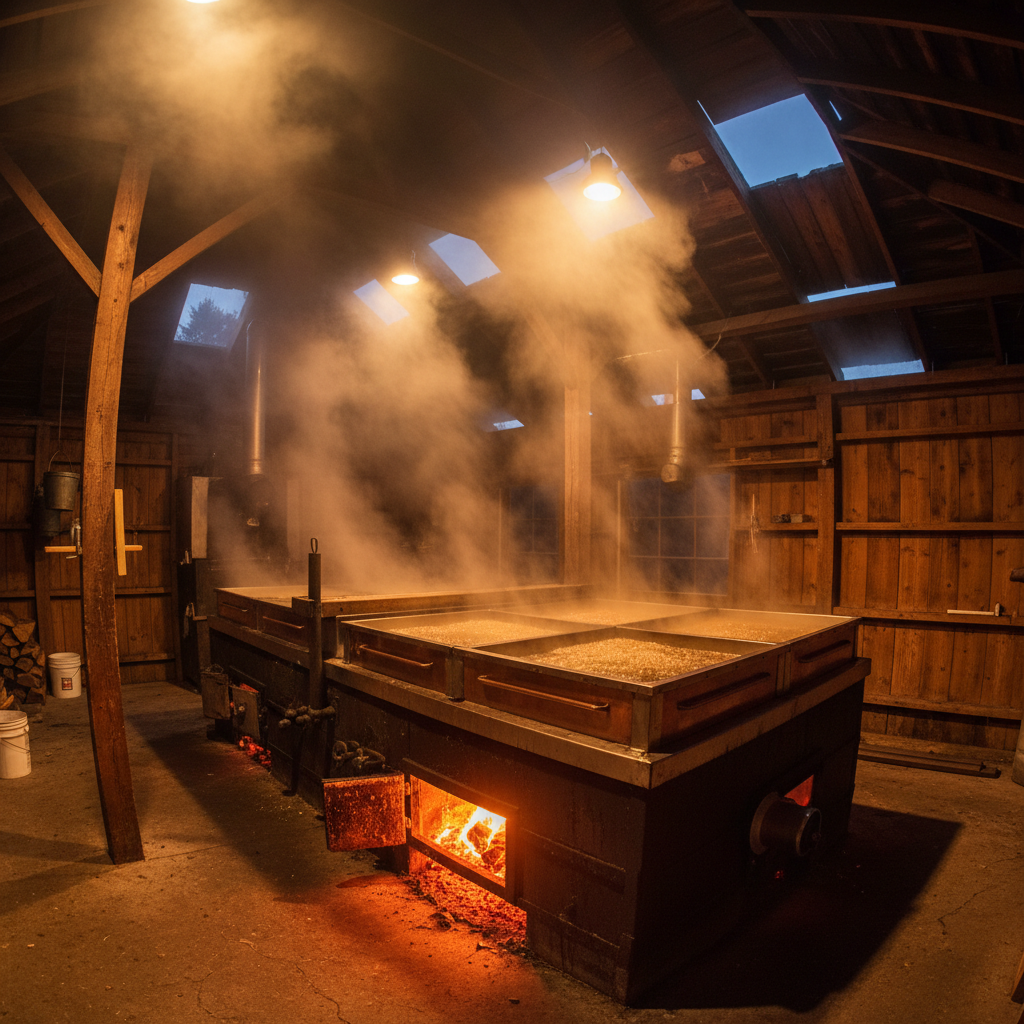
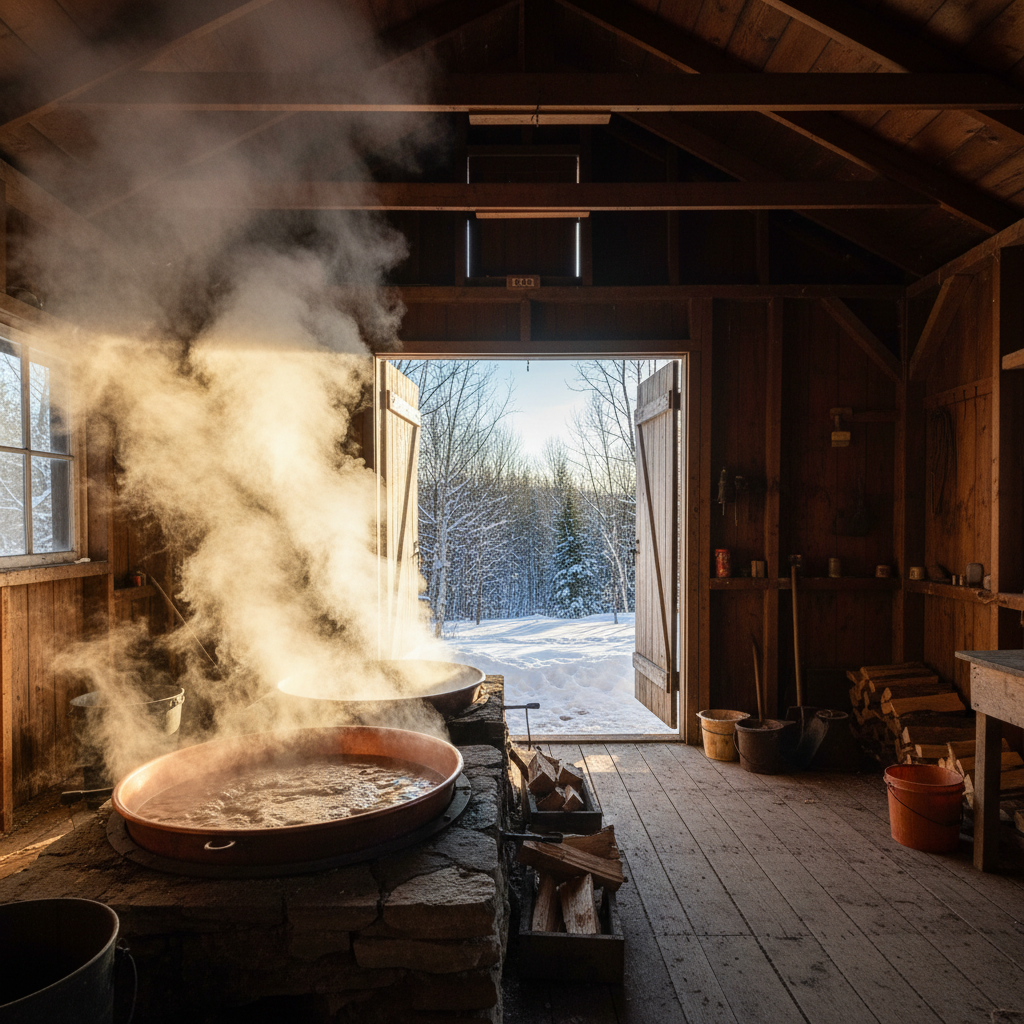
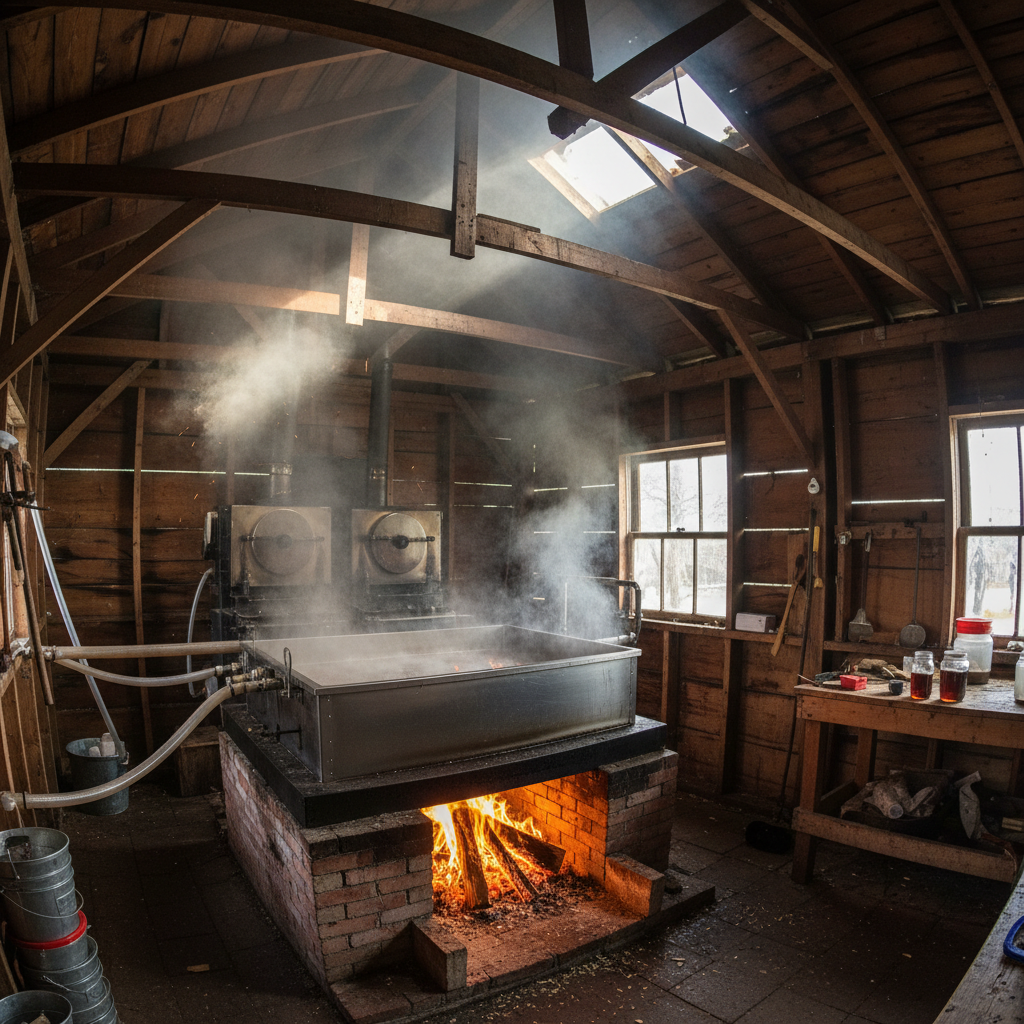
We run a wood-fired evaporator with two flat pans: the flue pan where sap enters and steam erupts, and the finishing syrup pan where concentration happens. The fire burns 10–15 cords of hardwood per season. You can hear the boil change pitch as the density climbs.
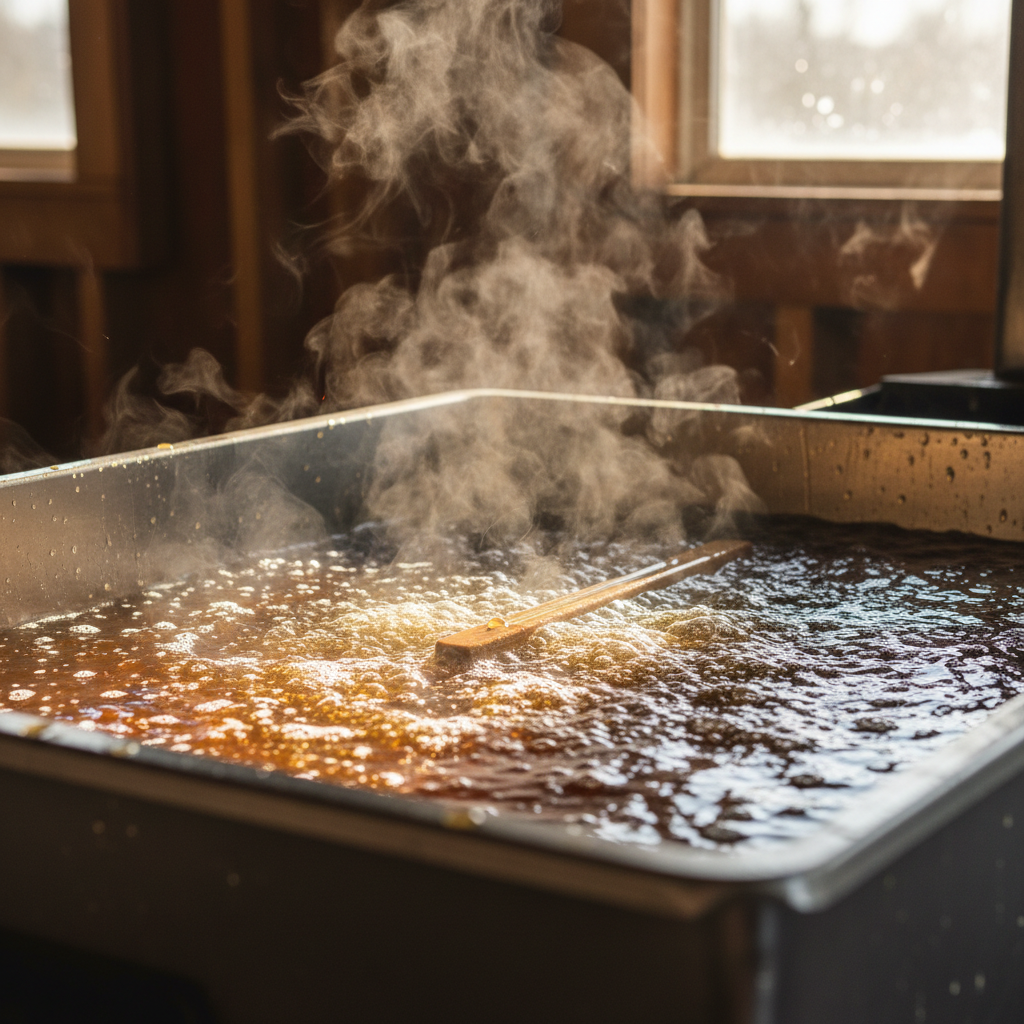
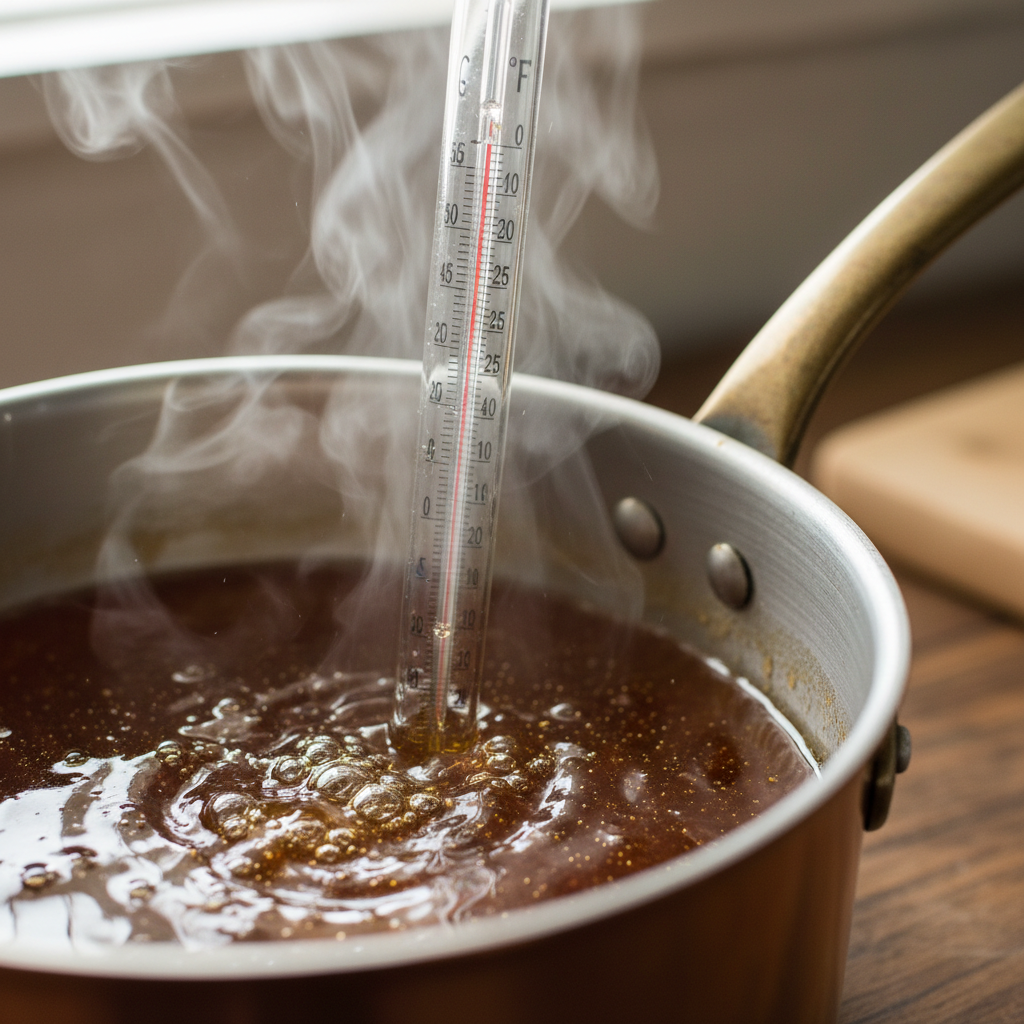
Syrup is finished at 7°F above the boiling point of water — which changes with elevation and barometric pressure, so we calibrate the thermometer every single day. At 219°F we draw off. A hydrometer confirms density: 66.9° Brix. Anything under is "light syrup." Anything over risks crystallizing in the jar.
Close-up shots
Grading
Color and flavor — Four grades, one season
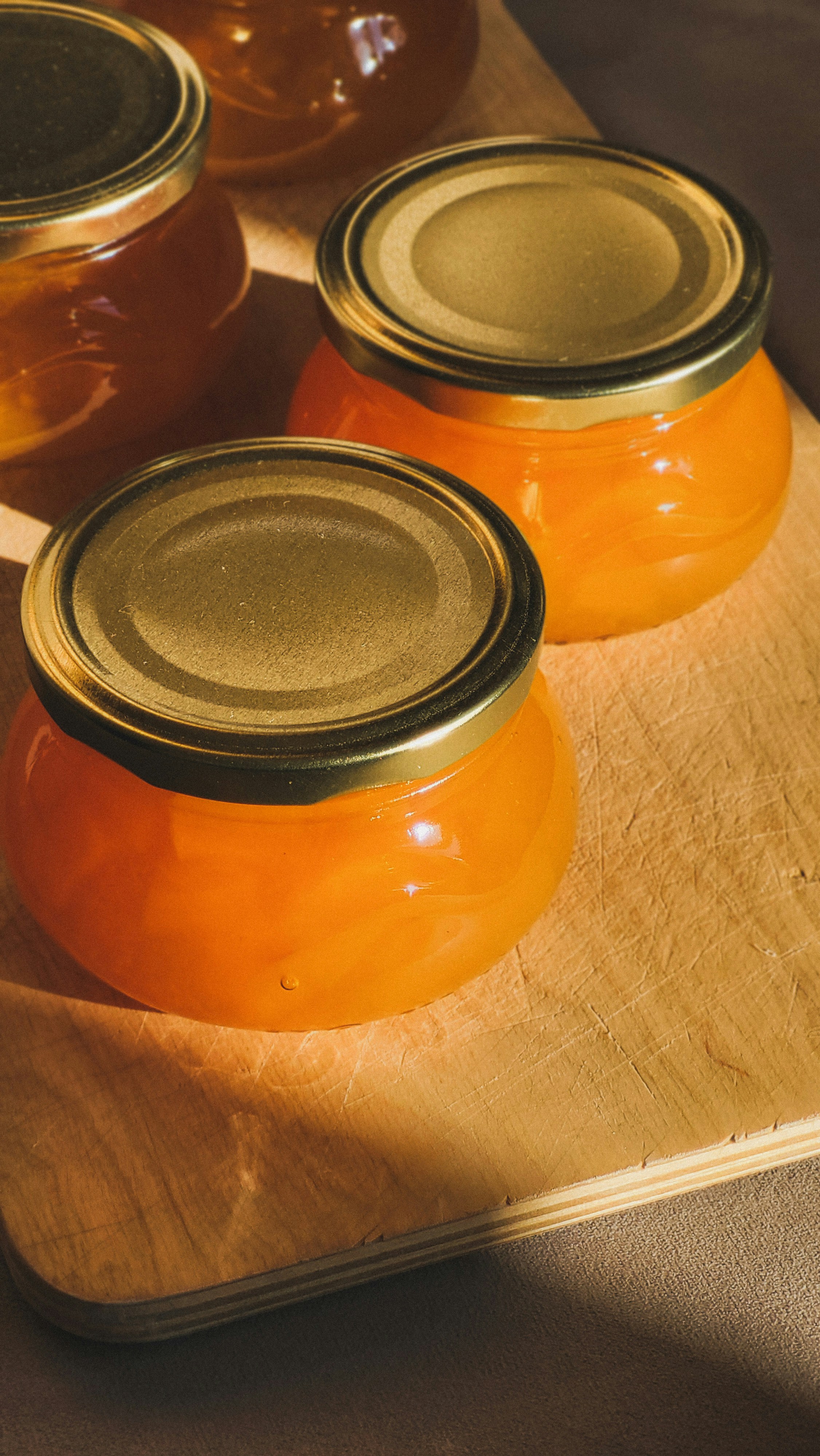
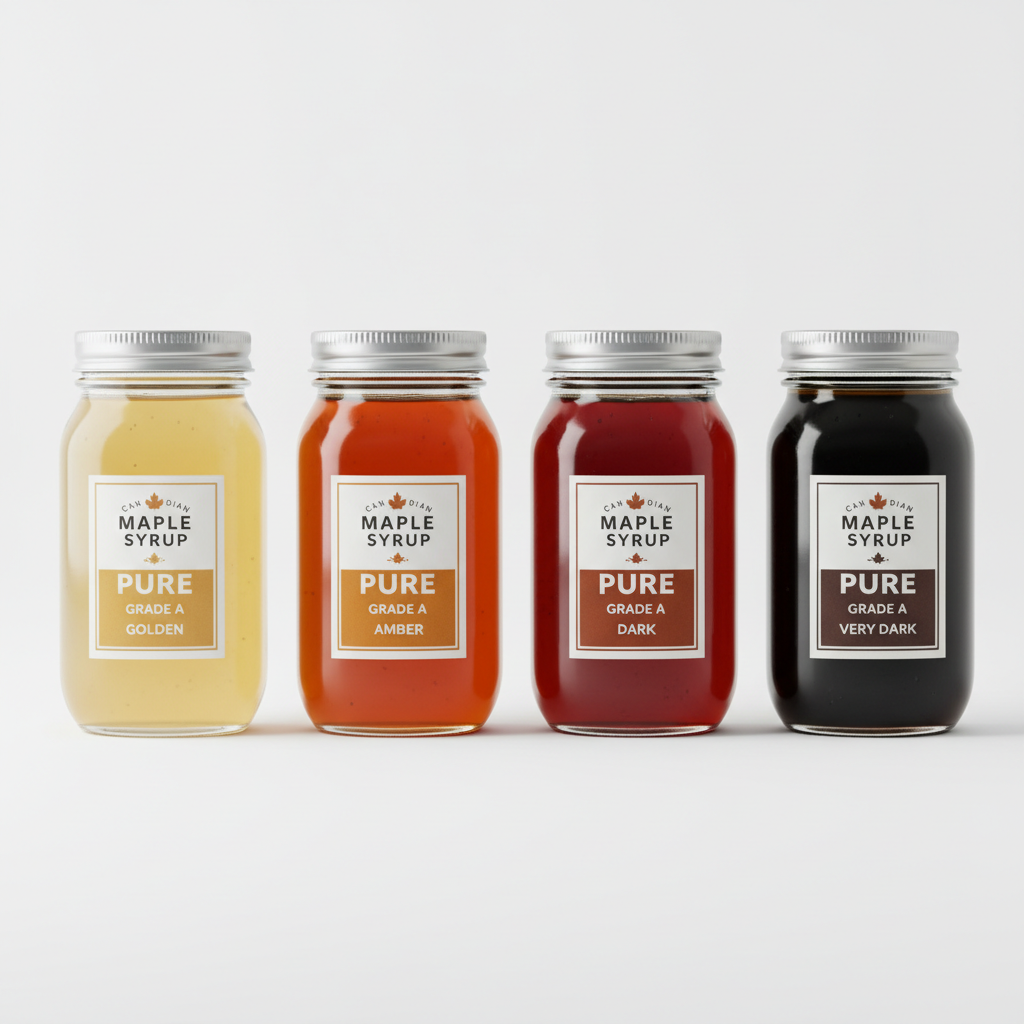
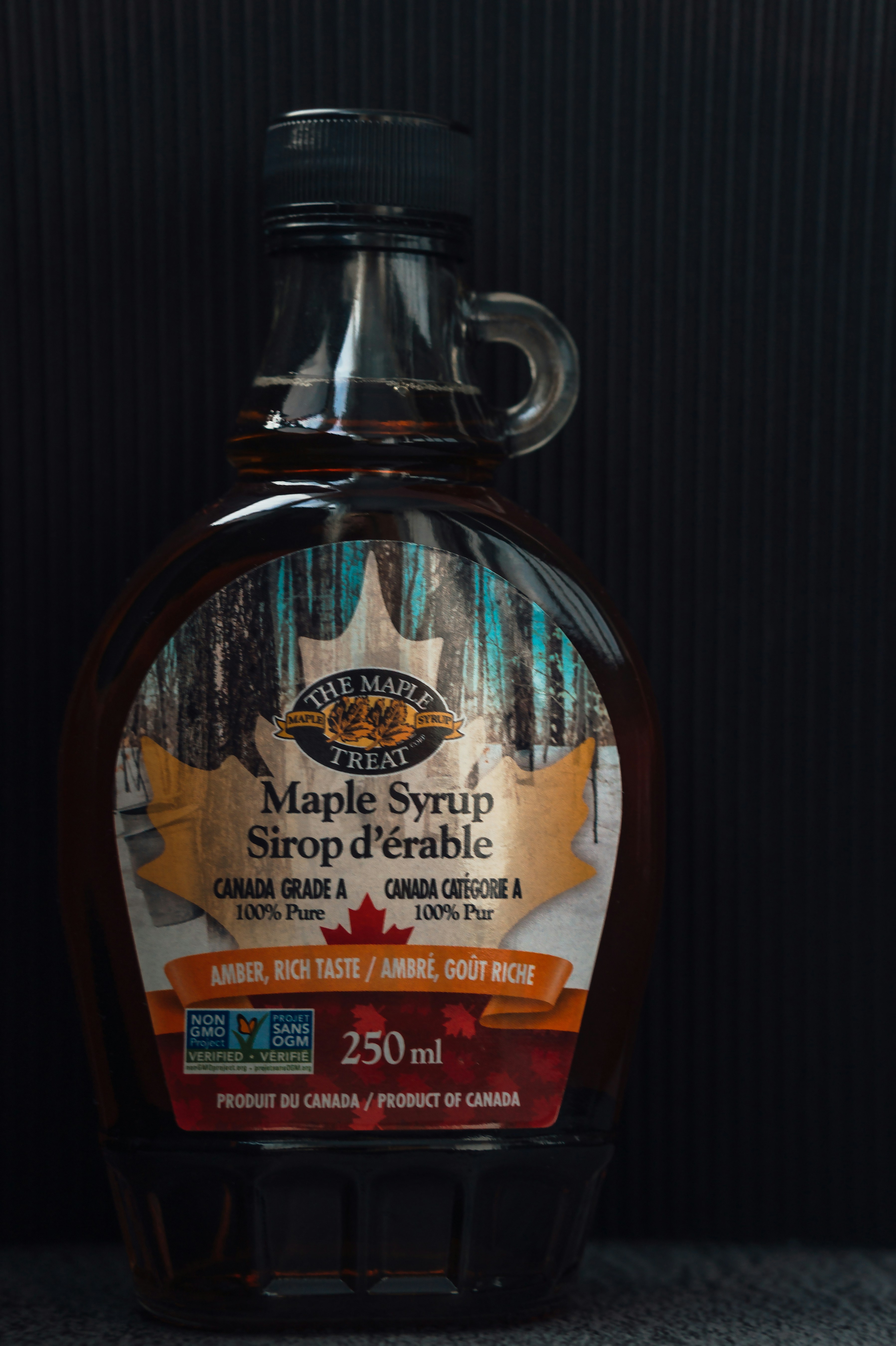
The USDA grades maple syrup by color and flavor intensity: Golden Delicate, Amber Rich, Dark Robust, and Very Dark Strong. Early-season syrup runs pale gold — subtle, almost floral. Late-season goes deep mahogany — molasses-forward, complex. We hold both.
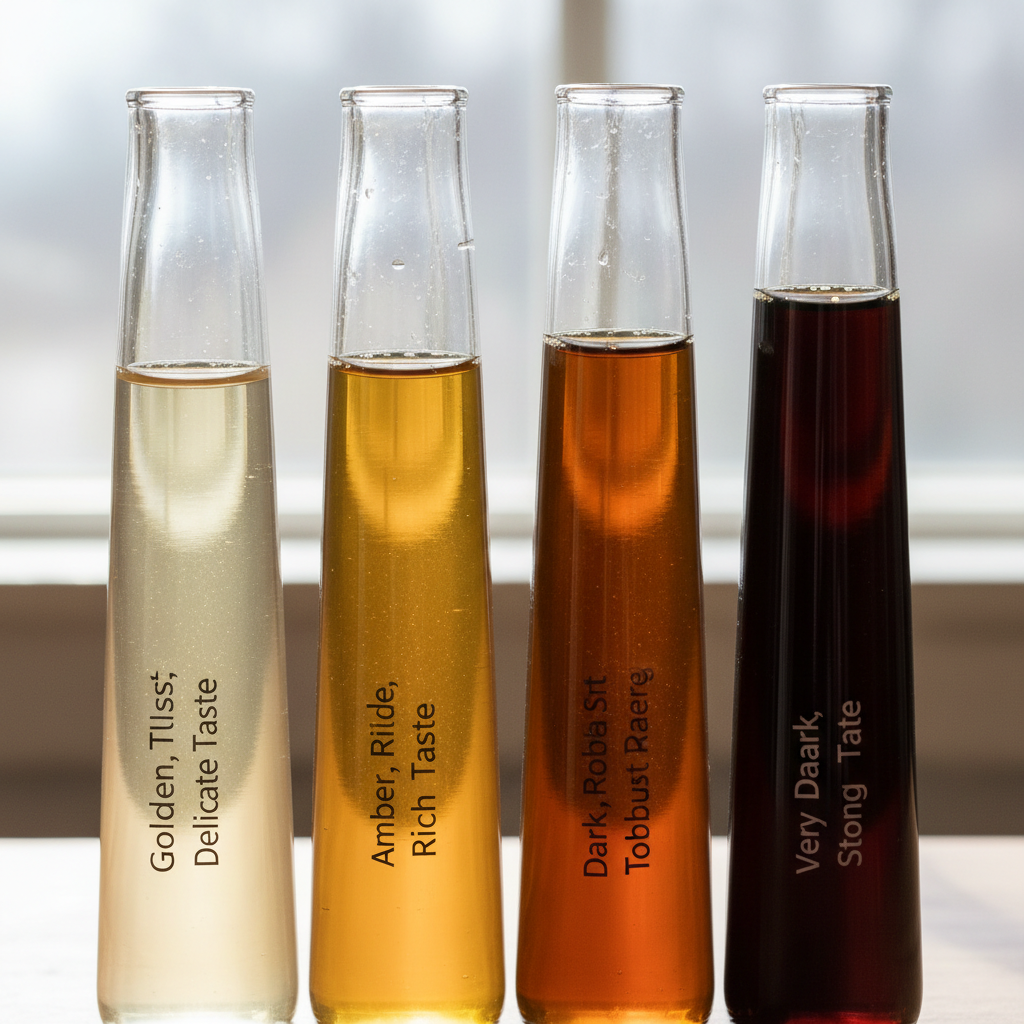
We use a certified color grading kit — a set of glass vials matched to USDA Pantone standards. Each batch gets a visual grade before bottling. The difference between a Golden and a Dark isn't just color; it's a completely different flavor profile. We let visitors taste the comparison.
Close-up shots
Bottling
Hot-pack at 185°F — The final seal
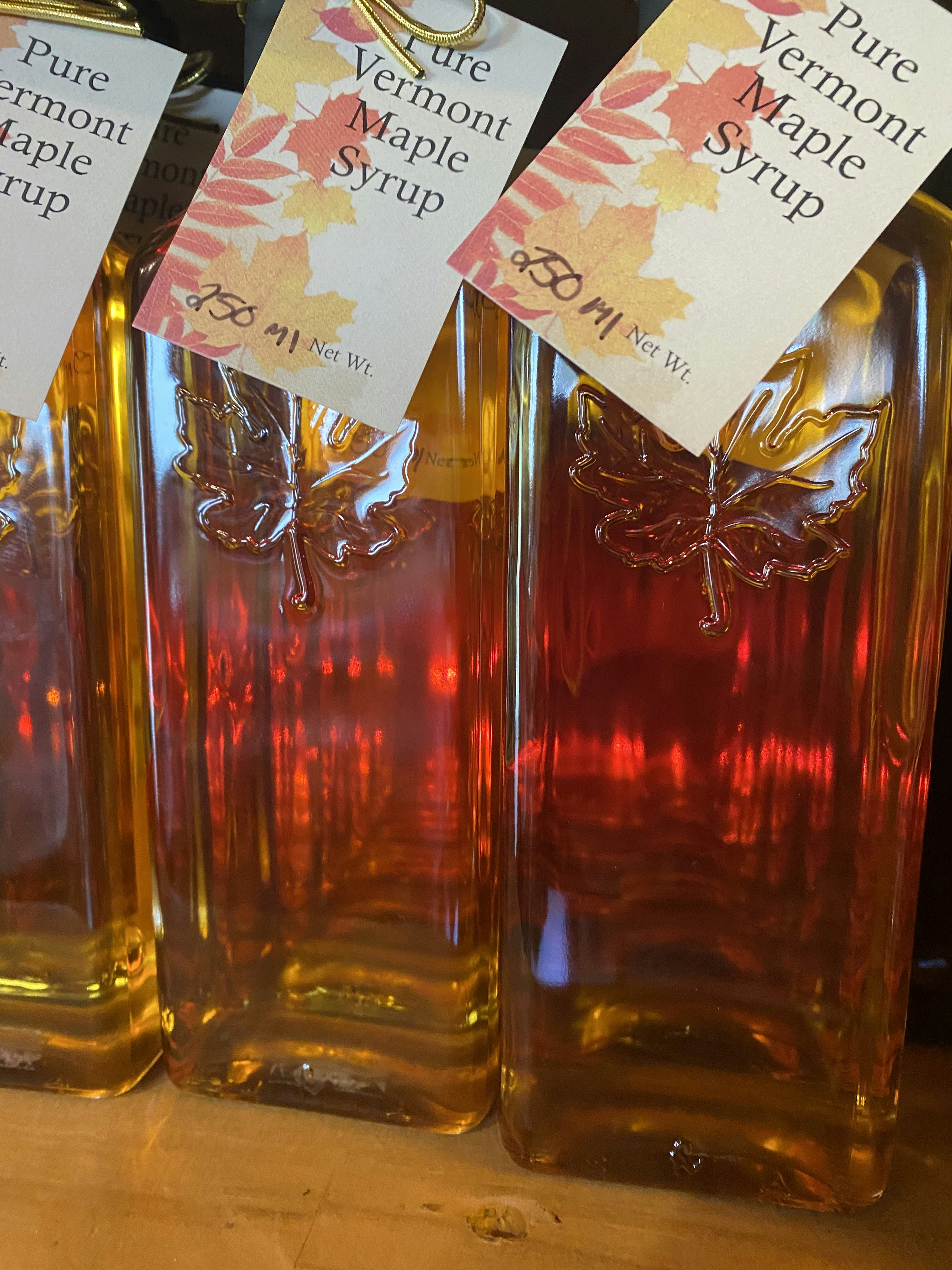
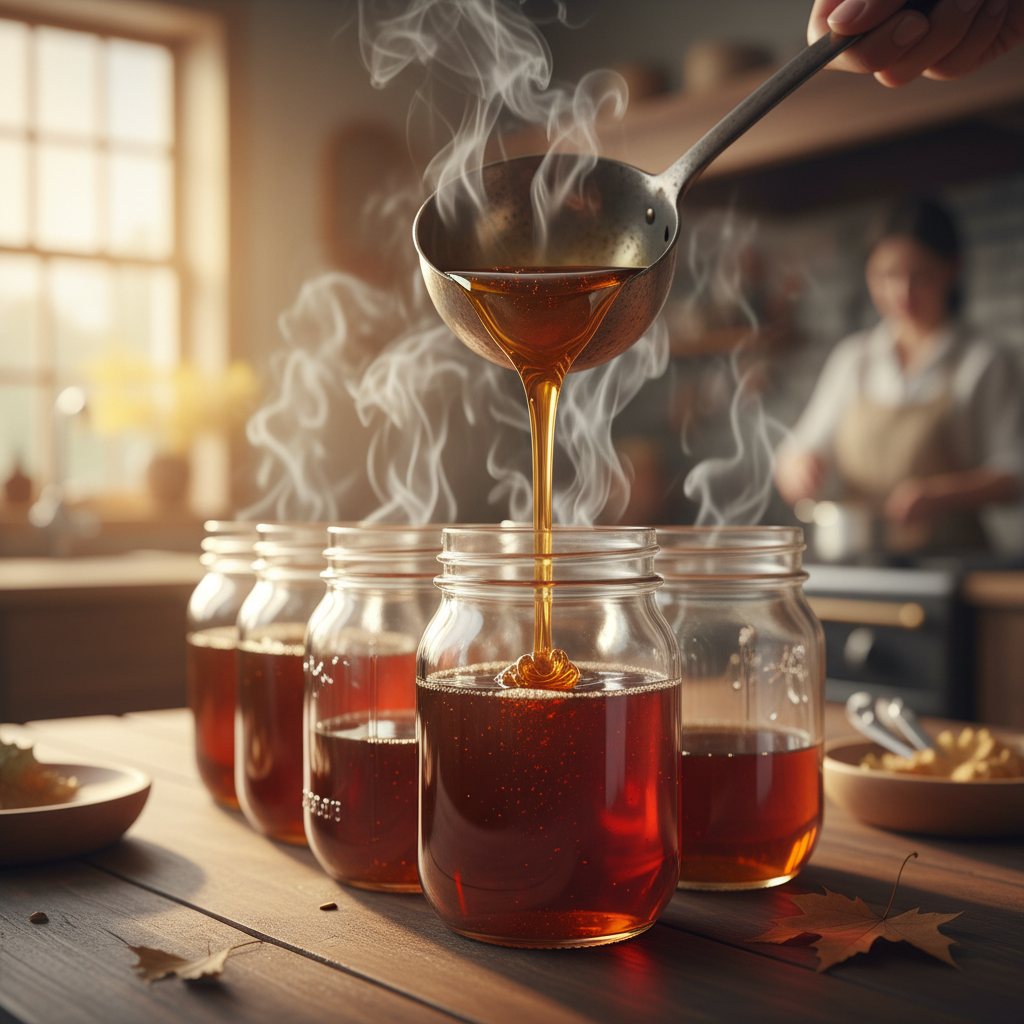
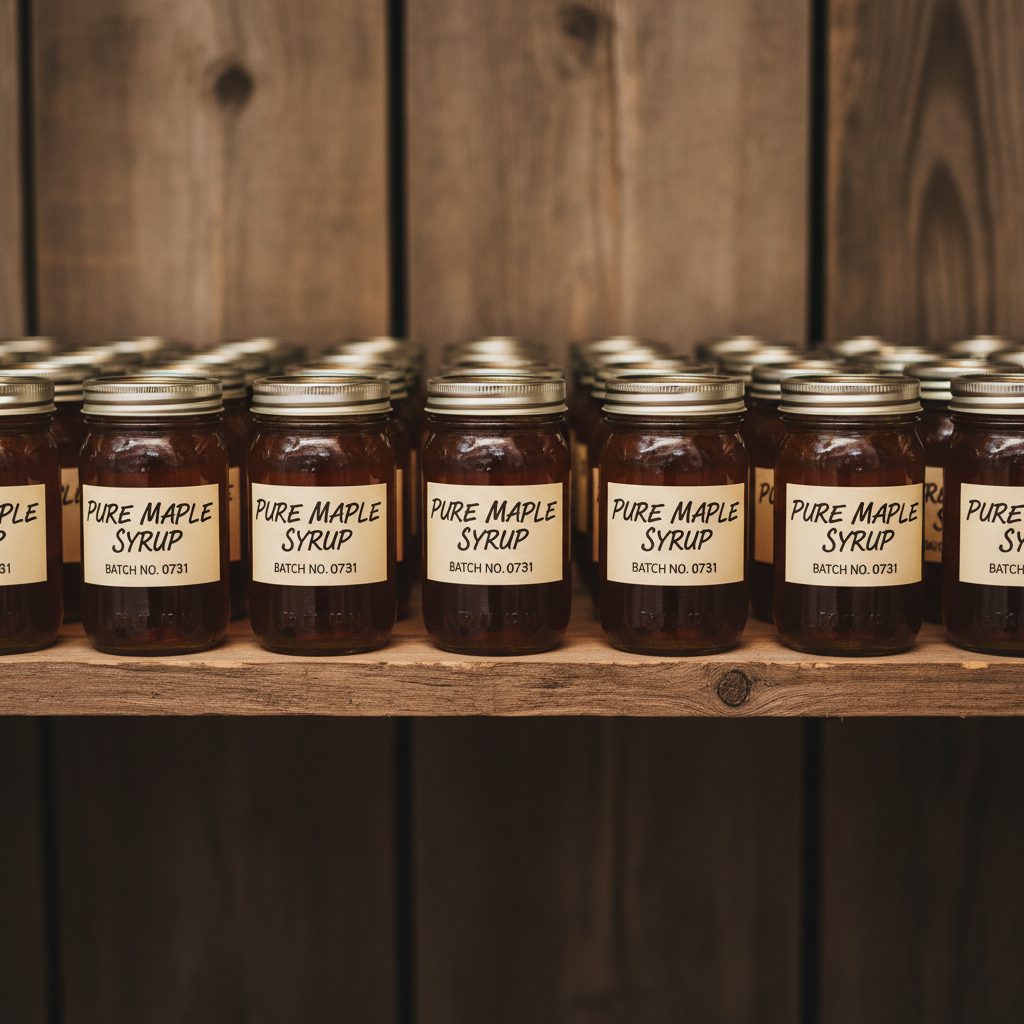
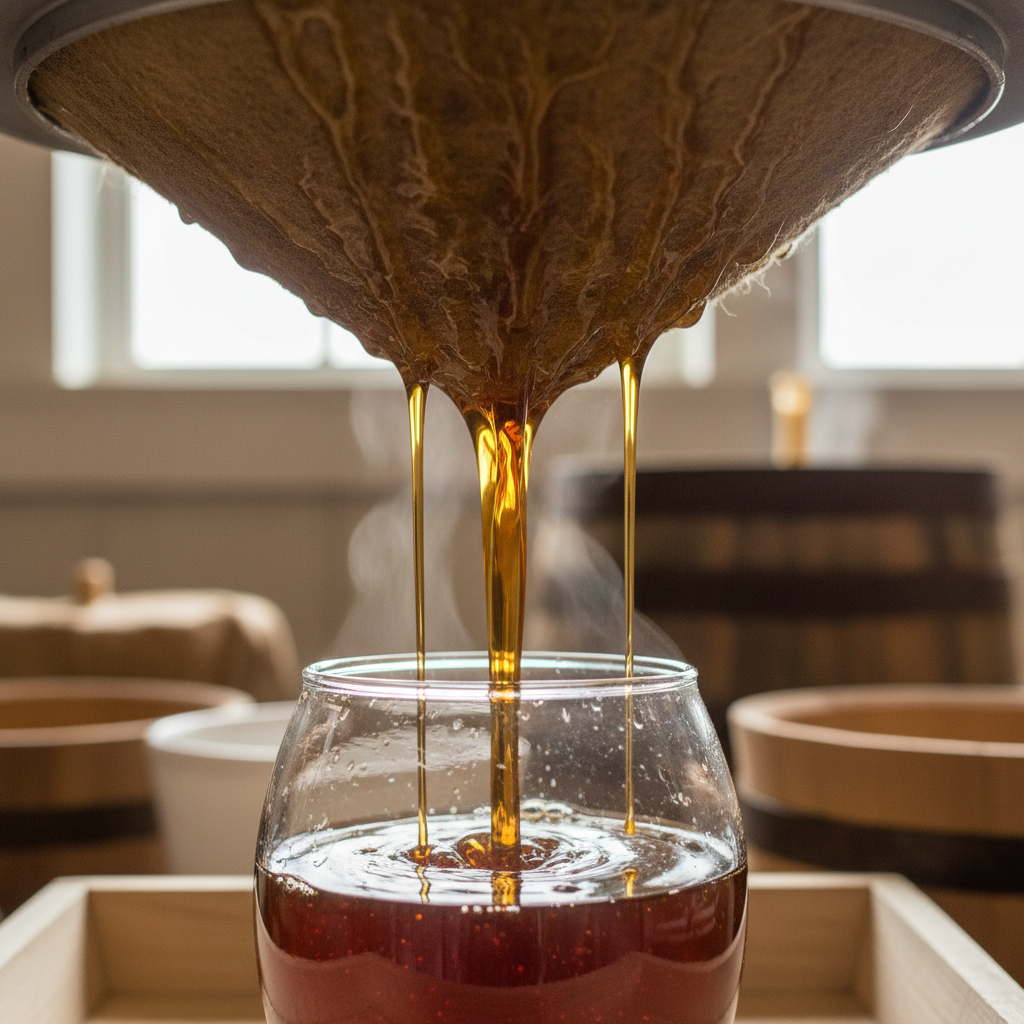
Finished syrup is filtered through a felt filter press to remove the naturally occurring "sugar sand" (nitre). We hot-pack at 185°F into glass — never plastic — seal immediately, and invert the jar to sterilize the lid. Every jar gets a hand-written batch number.
Our smallest batch this season was 11 jars — a single bucket run from one old sugar maple at the top of the ridge. Batch SB-26-047. We tasted it three times before we labeled it. Guests who arrive during bottling can watch the entire line and take home a jar still warm from the fill.
Close-up shots
Everything you need
before you arrive.
The guide covers what to wear, what to bring, what you'll see at each stage of the tour, and how to taste the difference between grades. It also includes a printable maple grading reference card.
- Season calendar + best weeks to visit
- What to expect at each of the 5 production stages
- How to taste and compare maple grades
- Kid-friendly activity sheet for homeschool groups
- Printable batch tracking worksheet
Download the Visitor Guide
Free. No spam. Just the information you need for a great visit.
Tour Dates
Feb — Mar 2026
Tours run weekends only, weather permitting. Groups of up to 24. Homeschool groups and private bookings available on request.
Saturday · 8:00 AM
18 spots remaining
Sunday · 9:00 AM
22 spots remaining
Saturday · 8:00 AM
4 spots remaining
Sunday · 9:00 AM
Saturday · 8:00 AM
20 spots remaining
Sunday · 9:00 AM
6 spots remaining
Saturday · 8:00 AM
3 spots remaining
Sunday · 9:00 AM
16 spots remaining
Saturday · 9:00 AM
24 spots remaining
Sunday · 10:00 AM
20 spots remaining
Private bookings for homeschool groups: tours@sugarbushfarm.com
The Maple Grading Guide
Taste the difference.
Most people have only ever tasted one grade. Here's what you're missing — and how to talk about it like you've been doing this for twenty seasons.
No email needed · Share freely
Golden · Delicate Taste
Subtle, almost floral — hints of vanilla and fresh cream. The lightest and rarest.
Drizzling over fresh ricotta, whipped cream, mild cheeses
Early March — first 2 weeks of run
Amber · Rich Taste
Classic maple — caramel warmth, medium body. What most people picture.
Pancakes, waffles, basting grilled salmon or pork
Mid-March — peak of the run
Dark · Robust Taste
Molasses, brown butter, dried fruit. Bold and complex. Our best seller.
Baking, marinades, bourbon cocktails, aged cheddar
Late March — final weeks
Very Dark · Strong Taste
Intense, almost smoky. Mineral edge. Divides opinion — our most devoted fans.
Coffee, dark chocolate, slow-braised meats, BBQ sauce
End of season — last runs before bud break
The Color Spectrum
Color deepens as the season progresses. Temperature changes alter the microbial activity in the tree, shifting flavor compounds.
Know someone who'd find this useful?